Asian Athletics Conducts Vital Medical and Anti-Doping Seminar for Team Leaders
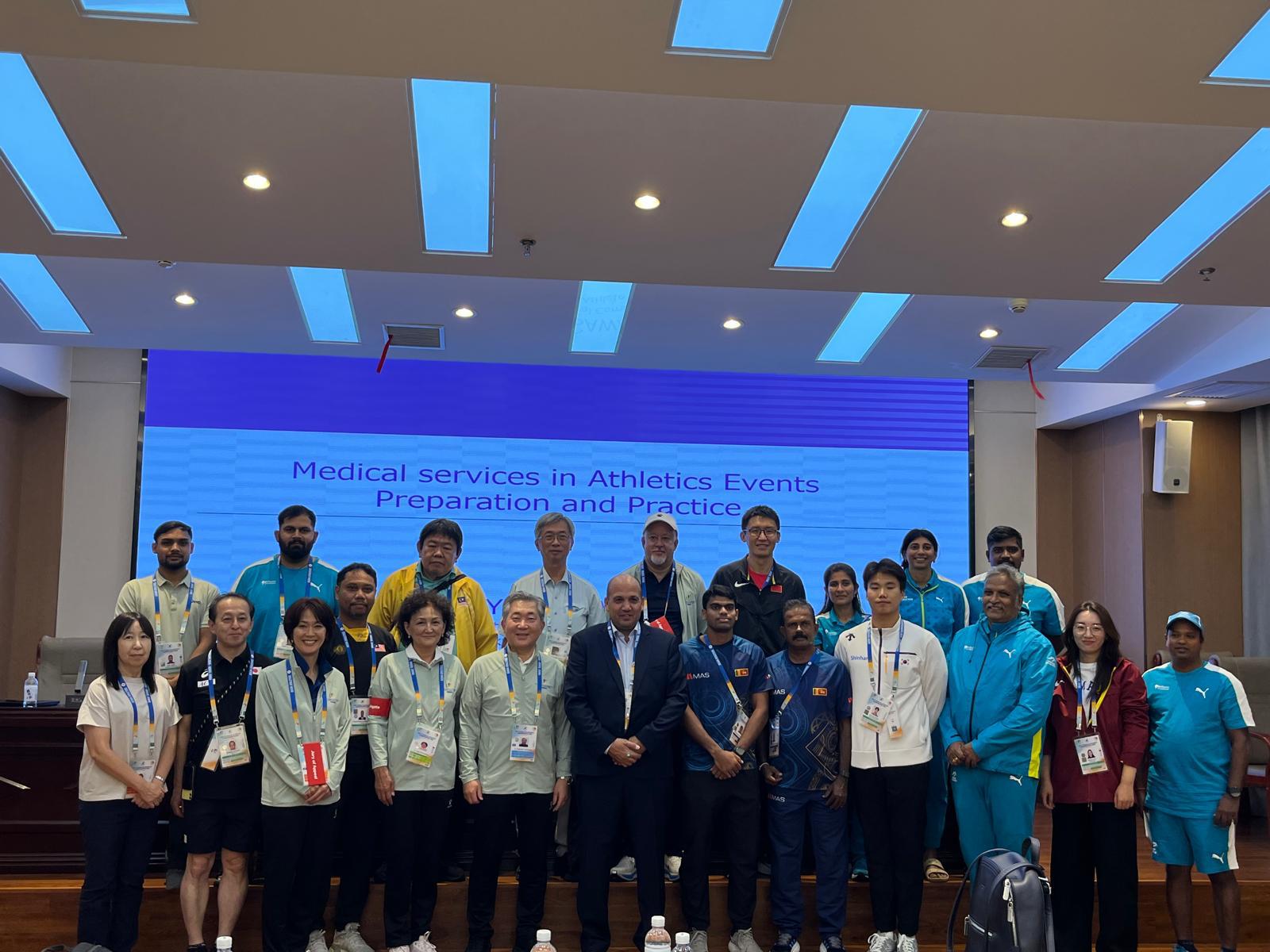
Asian Athletics held a mandatory Medical and Anti-Doping Seminar on July 11, 2026, reinforcing athlete safety and clean sport protocols during continental competitions. Led by Dr. Fumihiro Yamasawa, Chairman of the AA Medical Committee, the session briefed national delegation team leaders, head coaches, and medical staff on the strict logistical and ethical requirements of modern athletics.
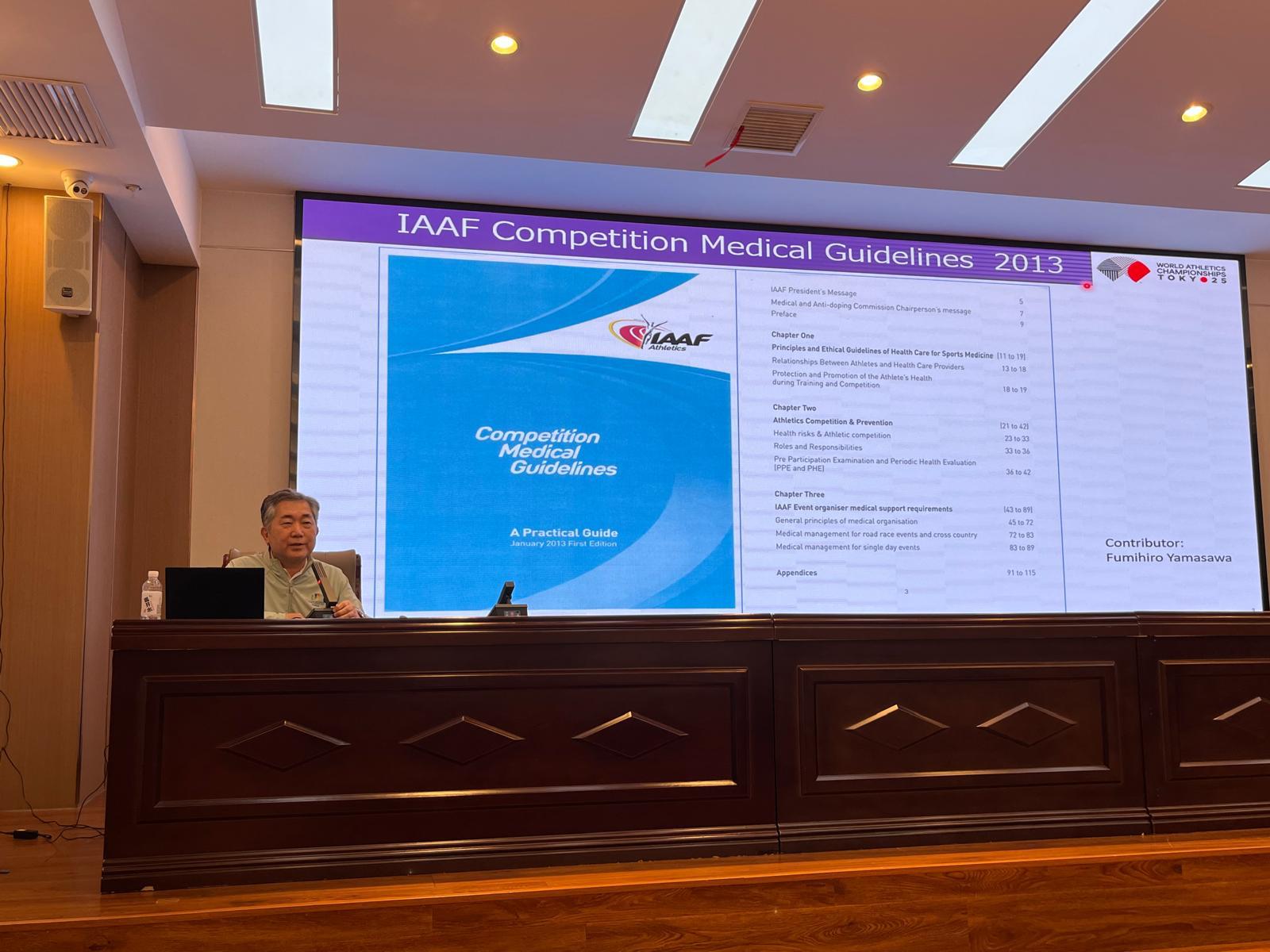
The seminar focused heavily on the mandatory infrastructure required inside host stadiums, emphasizing that immediate access to specialized medical facilities is essential for international event hosting.
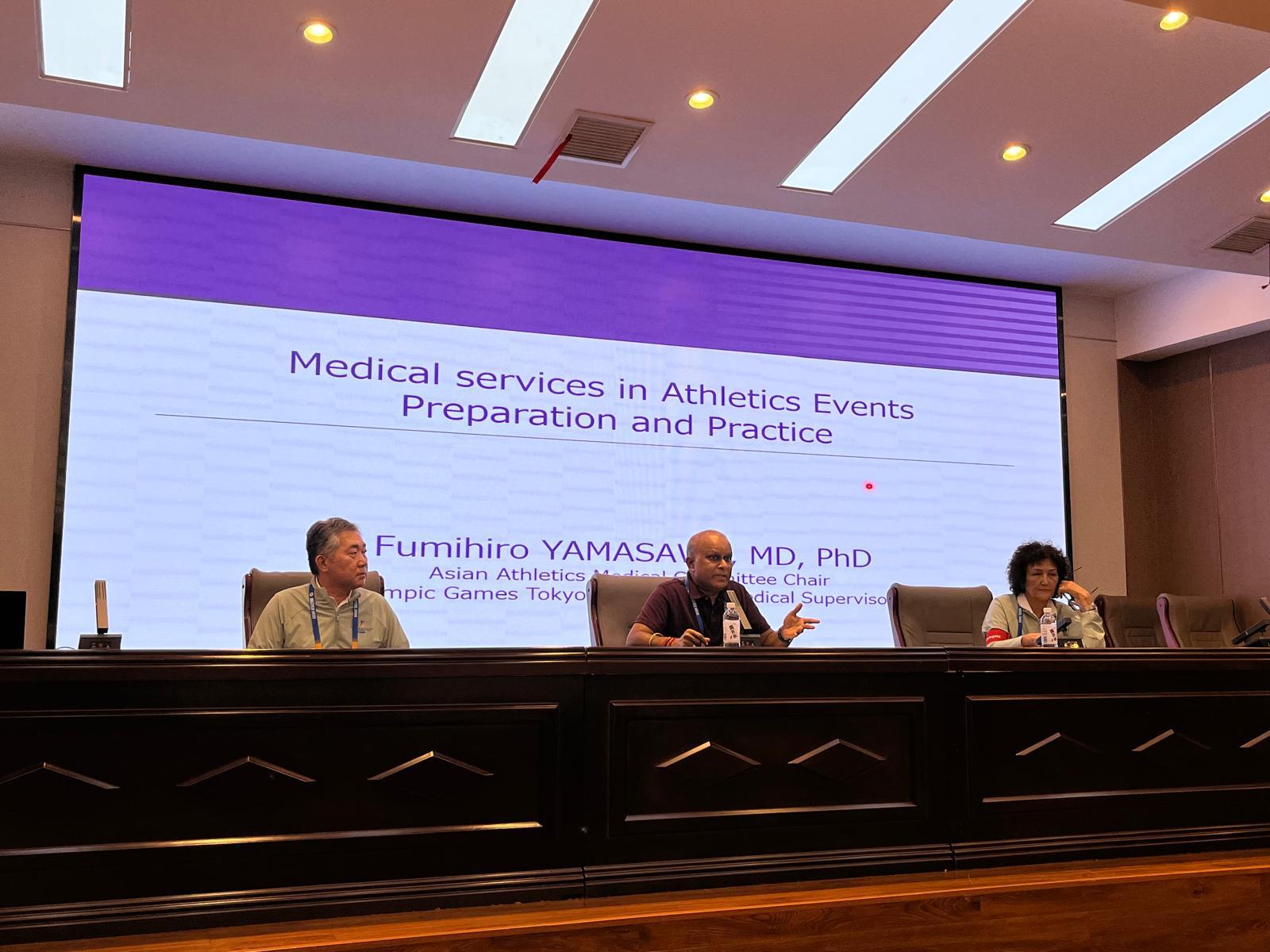
Strict Stadium Medical Infrastructure Required
Dr. Yamasawa outlined that modern continental venues must feature a fully integrated, track-accessible medical hub capable of managing emergencies in real time.
- Advanced Triage Capacity: Stadiums must include emergency rooms equipped with Automated External Defibrillators (AEDs), advanced airway management equipment, and resuscitation beds.
- Direct Evacuation Routes: A dedicated, unobstructed ambulance lane must connect the track-side medical room directly to an exit for rapid hospital transfers.
- Specialized Staffing: Certified sports physicians and trauma paramedics must be present throughout all active competition sessions.
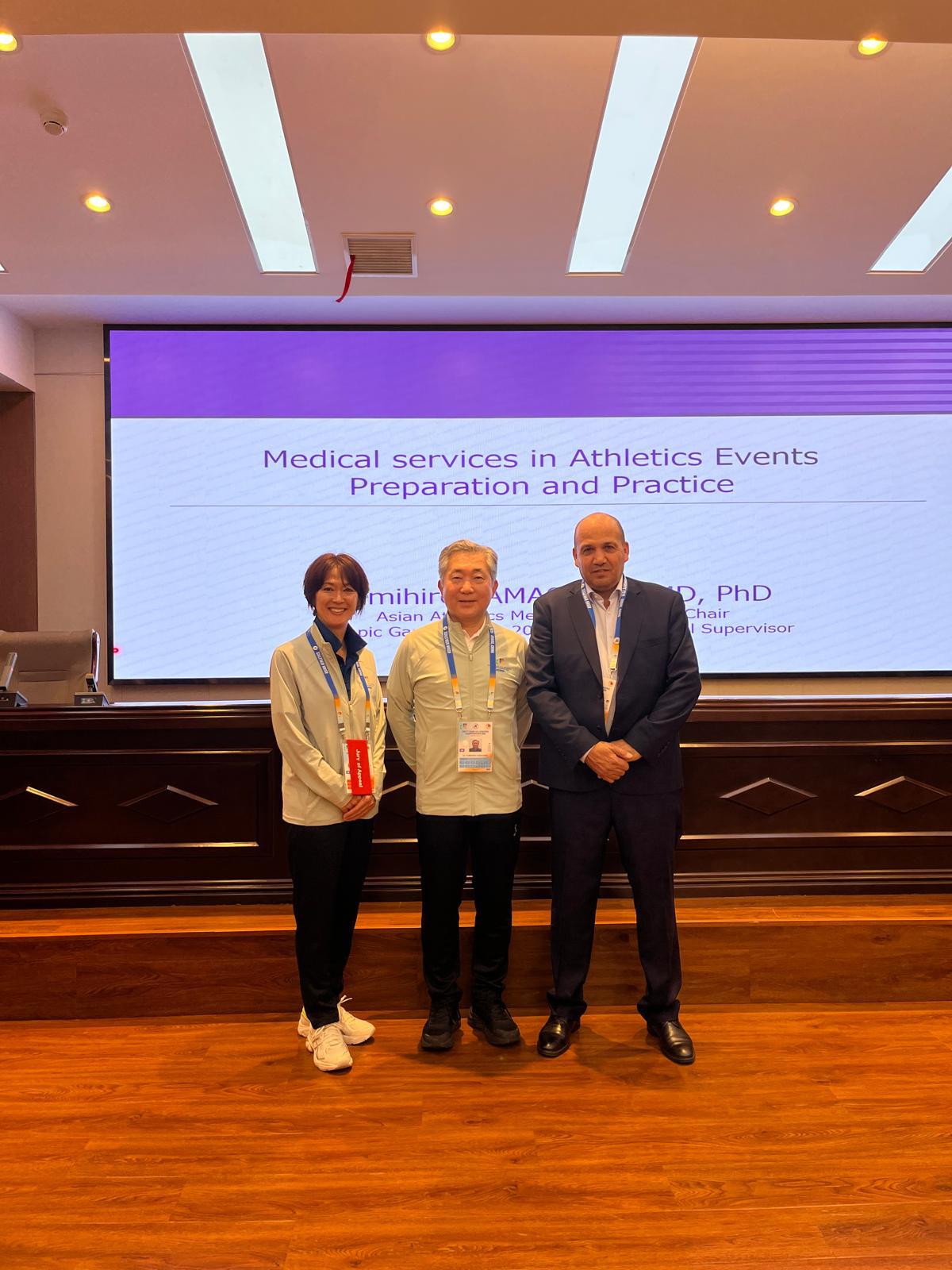
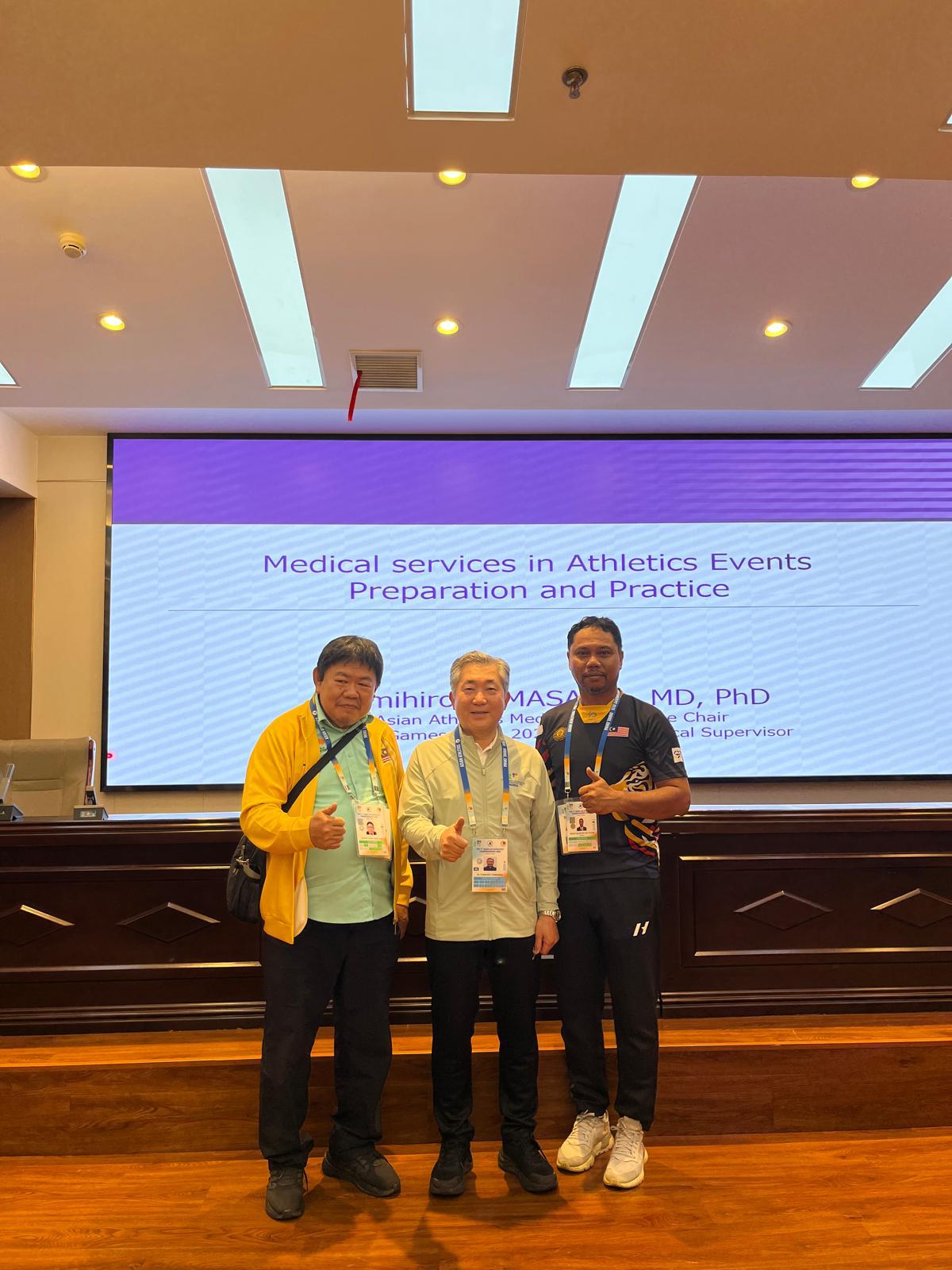
Uncompromised Anti-Doping Facilities
The seminar also detailed the spatial and security standards required for in-stadium Doping Control Stations in accordance with World Anti-Doping Agency (WADA) guidelines.
- Secured Testing Zones: Facilities must include isolated waiting areas, dedicated offices for Doping Control Officers (DCOs), and private restrooms for observed sample collection.
- Chain of Custody Security: Strict access-control and logging procedures must be maintained to ensure secure sample collection and prevent unauthorized entry.
Enforcing Team Leader Accountability
A major portion of the seminar reminded team officials of their responsibilities under the principle of "Strict Liability." Team leaders were instructed to ensure athletes cooperate immediately with doping chaperones after notification. Officials were also reminded to submit all Therapeutic Use Exemptions (TUEs) for athletes requiring prohibited substances for legitimate medical conditions before competition begins.
Asian Athletics reiterated that maintaining world-class medical and anti-doping systems within the stadium is essential for protecting athlete welfare and preserving the integrity of athletics across Asia.
Safeguarding at Athletics Championships
The safety, well-being, and rights of athletes remain the highest priority. Safeguarding Officers are present throughout the Asian Athletics Championships to provide a secure, respectful, and protected environment for everyone involved.
The Role of a Safeguarding Officer
If an athlete or official needs to report an issue or raise a concern, Safeguarding Officers operate under four key principles:
- All discussions take place in a private and non-judgmental environment.
- Every concern is heard respectfully without questioning the individual's credibility.
- Rights and available options are explained clearly and confidentially.
- The individual decides how to proceed, except where immediate danger requires intervention.